

When planning for senior care, one of the biggest concerns families in State College, PA face is the cost. The decision between staying in your own home or moving to an assisted living community is not just about comfort—it’s also about finances, quality of life, and peace of mind. Understanding the detailed costs of living at home versus assisted living can help you make an informed, compassionate decision that’s right for your loved one.
Understanding Local Lifestyle and Needs in State College, PA
State College is best known as the home of Penn State University, offering a vibrant community feel, plentiful outdoor spaces, and a variety of services for seniors. However, the cost of care and the availability of services can vary, and the right choice depends on each family’s needs, preferences, and budget.
What Are the Costs of Living at Home?
For many seniors in State College, staying in their own home seems like the most comfortable and affordable option—at least at first glance. However, a closer look at the real expenses can be eye-opening:
- Home Maintenance: Older homes in the State College area may require frequent repairs or updates for safety (grab bars, ramps, walk-in showers). Annual maintenance costs can easily run into the thousands per year.
- Property Taxes and Utilities: Pennsylvania property taxes and utility expenses in Centre County are ongoing and can consume a large chunk of a fixed retirement income.
- In-Home Care Services: If help with daily tasks is needed, the average hourly rate for a home health aide in State College is about $28–$35/hour. For someone needing even moderate assistance (for example, 20 hours a week), costs can reach $2,200–$3,000 per month.
- Transportation: Many seniors stop driving, so regular trips for groceries, doctor visits, or social activities may require ride services or paratransit—expenses that can add up, especially in winter months.
- Emergencies and Unexpected Costs: Sudden accidents or illnesses may require immediate, and sometimes costly, responses (hospital trips, short-term rehab, increased care).
Total Estimated Monthly Costs (Living at Home)
For a senior in State College needing moderate care:
- Home maintenance, taxes, utilities: $700–$1,200/month
- Groceries and household expenses: $400–$600/month
- 20 hours/week of home care: $2,200–$3,000/month
- Transportation and incidentals: $150–$300/month
Total: $3,450–$5,100/month
Of course, these costs can be lower for healthy, independent seniors, but any increase in care needs can make living independently much pricier than expected.
What Does Assisted Living Cost in State College, PA?
Assisted living communities in State College and Centre County offer an all-inclusive lifestyle with personal care, meals, housekeeping, transportation, and opportunities for activities and socialization. The average cost for a one-bedroom apartment typically ranges from $4,200 to $5,000 per month, depending on amenities and level of care required.
- All-Inclusive Living: Assisted living rates typically cover rent, meals, activities, basic medical monitoring, and transportation for appointments and errands.
- Onsite Amenities: Many communities in the State College area offer features like fitness classes, art rooms, garden clubs, and weekly social events—all included in the monthly fee.
- Healthcare and Safety: 24/7 staff availability gives peace of mind the family cannot always provide, and the immediate local access to Mount Nittany Medical Center and other health services is a major advantage.
- No More Upkeep: Maintenance, repairs, and utilities are all included; no need to worry about snow shoveling or surprise furnace breakdowns.
Total Estimated Monthly Costs (Assisted Living)
- Base rate (including personal care, meals, housekeeping, activities): $4,200–$5,000/month
Some communities charge additional fees for higher levels of care or select services, but even comprehensive packages rarely exceed $6,000/month for most residents.
Key Questions for Comparing Costs
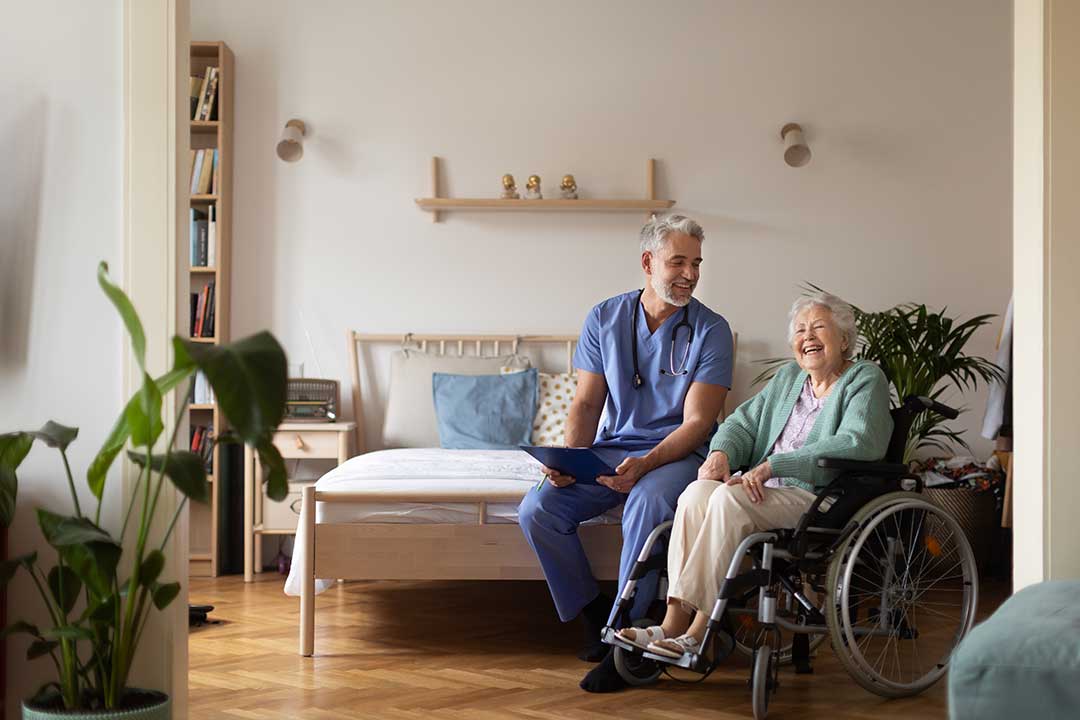
When comparing your options in State College, ask yourself:
- How much assistance is needed now and how might that change in the next year or two?
- What is the real cost, including hidden expenses, of staying at home?
- Which option provides better access to social activities, fitness, and medical care?
- What sacrifices, if any, are made regarding quality of life, safety, or independence?
Beyond Dollars—Lifestyle, Socialization, and Well-Being
The cost conversation is not only about money. In State College, where cold winters can limit mobility and neighbors may be out of town during university holidays, social isolation can become a real concern for homebound seniors. Assisted living addresses this with built-in socialization through clubs, classes, and shared meals, fostering meaningful relationships and staving off loneliness.
For many families, knowing that their loved one has companionship, nutritious meals, and professional support readily available is well worth the investment.
Financial Assistance and Local Resources
State College offers several local and state support programs for seniors:
- Aging Services from Centre County Office of Aging
- State and federal Medicaid programs (for those who qualify)
- Veterans Aid & Attendance benefits for eligible vets
- Senior centers in the State College area, which also offer free or low-cost activities and meal programs
It’s wise to consult with a local senior financial advisor to understand qualifying benefits and create a long-term care plan that fits your budget.
Making the Right Choice for Your Family
Deciding between living at home and assisted living in State College, PA is deeply personal and may change as care needs evolve. By looking at the full financial picture—adding up hidden costs, services, and lifestyle perks—you can make a choice that’s both fiscally responsible and enhances your loved one’s quality of life.
If you’re in State College and weighing your options, take the time to tour local communities, ask detailed questions about pricing, and reach out to local senior resources. The investment in sound advice and thorough research pays dividends in peace of mind and well-being for years to come.
