

When families explore care options for their loved ones, they often focus on safety, medical care, and amenities. However, the opportunity for seniors to develop new friendships and stay socially active may be one of the greatest benefits of assisted living—especially in a vibrant community like State College, Pennsylvania. Social connections can profoundly impact overall well-being, happiness, and quality of life for older adults. Here’s how assisted living enhances social connections, with a special look at the unique lifestyle of State College.
The Importance of Social Connections in Senior Living
As we age, maintaining social interaction becomes crucial for mental and emotional health. Studies consistently show that seniors who remain socially engaged experience lower rates of depression, improved cognitive health, and even longer life expectancy. Unfortunately, isolation and loneliness can be significant challenges for older adults living alone or with limited mobility.
Assisted living is designed not only to provide care and support but also to cultivate a sense of community. In State College, where there’s always something happening on or around Penn State University’s campus, assisted living communities can connect seniors to both their peers and the wider region’s events and traditions.
How Assisted Living Fosters Friendships
Assisted living communities in State College offer a rich variety of programs and amenities intentionally designed to bring people together. Here’s how these environments help seniors build and maintain meaningful relationships:
- Cozy Common Areas: Spacious lounges, game rooms, and communal dining spaces provide natural meeting spots for residents. Whether sharing a meal or playing a game of cards, these settings make impromptu conversations effortless.
- Group Activities: From book clubs to movie nights, guided fitness classes, and art workshops, there’s no shortage of group events that encourage residents to discover shared interests.
- Special Events & Celebrations: Holidays, birthdays, and “Happy Valley” celebrations unique to State College (like Penn State football game days) become collective experiences, enhancing camaraderie among residents.
- Scheduled Outings: Regular group trips to local destinations—such as the Palmer Museum of Art, farmers markets, or local parks—help residents remain connected to the State College community and its culture.
Local Connections: State College’s Signature Touch
State College is known for its deep sense of community, tightly woven around the energy of Penn State University and the town’s array of local shops, parks, and activities. Assisted living communities here understand the importance of rooting residents in the traditions and joys unique to Happy Valley.
- Penn State Spirit: Many seniors in State College have personal or family connections to the university. Assisted living communities often organize tailgate parties, host watch parties for Nittany Lions games, and foster discussions about Penn State history and culture, making seniors feel part of the town’s pulse.
- Intergenerational Programs: Partnerships with Penn State students and organizations offer opportunities for residents to engage with the younger generation through volunteer projects, mentoring, and social hours—bridging generational gaps.
- Community Festivals: Assisted living staff often plan trips to iconic State College gatherings, like the Central Pennsylvania Festival of the Arts or the annual Christmas parade, helping seniors maintain their involvement with beloved local traditions.
The Role of Professional Staff in Building Social Bonds
Assisted living staff play a key role in helping new residents acclimate, introducing them to neighbors with similar interests and gently encouraging participation in social events. In tight-knit communities like those in State College, staff often take the time to learn about residents’ backgrounds, hobbies, and social goals, facilitating introductions that spark genuine connections.
Moreover, the presence of trained caregivers ensures that even residents with mobility challenges or cognitive impairments can participate in social life, with assistance when needed.
Overcoming Loneliness: Stories from State College Seniors
Loneliness can affect older adults regardless of where they live, but assisted living can make a transformative difference. Consider the experience of a long-time State College resident who, after years of living alone, moved into a local assisted living community:
*"Before moving, I missed seeing friends and always felt left out of the buzz around here,”* she shares. *“Now, I’m always busy! I love talking Penn State football, having coffee with friends, and going on outings downtown. It gave me a new sense of belonging."*
Such stories are not uncommon. By removing barriers to participation and prioritizing inclusive, welcoming environments, assisted living communities in State College help seniors rediscover a sense of purpose and social belonging.
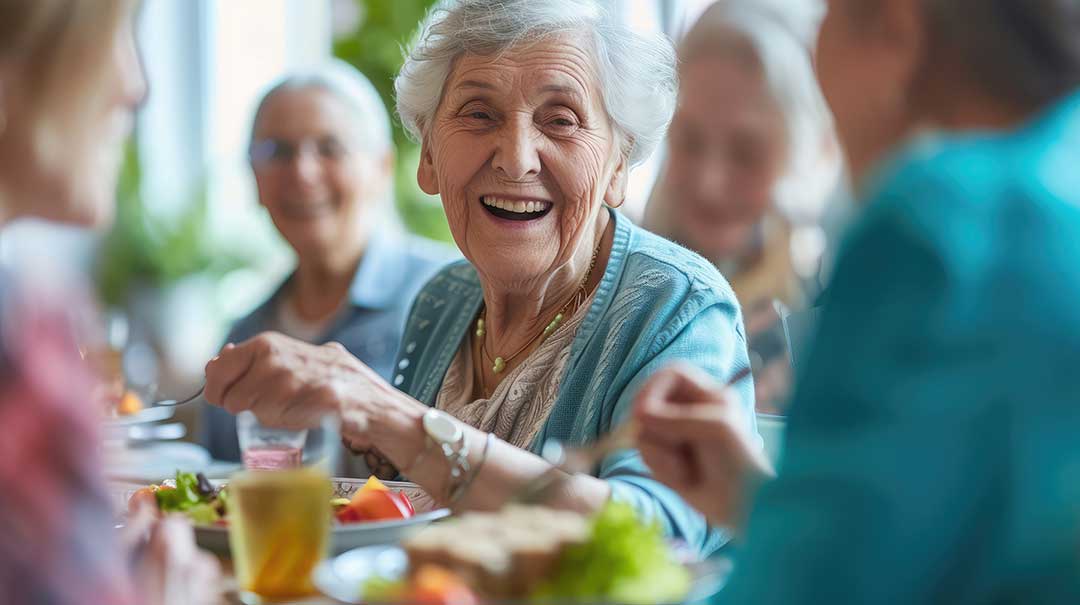
The Ongoing Impact of Social Engagement
Regular socialization doesn’t just brighten a resident’s day; it provides crucial support for physical health, emotional resilience, and intellectual vitality. In State College:
- Seniors stay mentally sharp with trivia nights, lectures, and creative classes.
- Emotional well-being is nurtured as friendships flourish, and residents look forward to shared experiences.
- Physical health improves as group activities—like walks in nearby parks or dance classes—become a routine part of life.
For many families, knowing their loved one is not just receiving care, but is part of a thriving social circle, brings immense peace of mind.
Making the Choice: Questions for Families
When visiting assisted living communities in State College, consider asking:
- What types of group activities and outings are organized regularly?
- How does the staff help new residents form connections?
- Are there opportunities for intergenerational engagement or community involvement?
- How are State College traditions and local events celebrated within the community?
Paying attention to the level of social engagement can help you choose a community that matches your loved one’s interests and ensures ongoing opportunities for joy and companionship.
Conclusion
Enhancing social connections is at the heart of assisted living’s mission. In State College, Pennsylvania, assisted living communities harness the unique spirit of Happy Valley to ensure seniors remain active participants in both their own lives and the broader community. By fostering friendships, connecting residents to local traditions, and offering a vibrant calendar of activities, these communities help seniors feel right at home—surrounded by smiling faces and supportive neighbors.
