
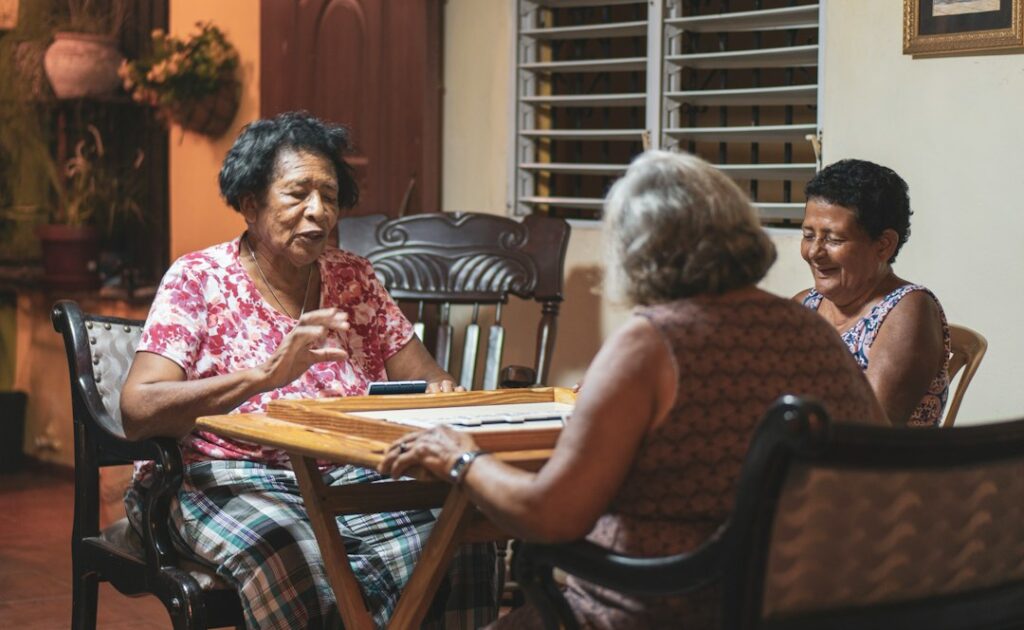
Visiting someone in assisted living is usually most helpful when it supports comfort, dignity, and connection. Good visits do not need to be long or elaborate; they need to fit the resident’s routine, energy level, health needs, and personal preferences.
Should visitors call ahead before arriving?
Yes. Calling ahead is generally the most considerate approach, even when family members are welcome to visit regularly. A resident may have a scheduled activity, medical appointment, meal, rest period, or personal-care routine that is not visible from the outside.
Advance notice also gives the resident time to prepare emotionally and physically. Some people enjoy spontaneous visits, while others feel more comfortable knowing who is coming and when.
Before visiting, ask:
- What time of day is usually best?
- Is the resident feeling well enough for a visit?
- Are there visiting guidelines for the building?
- Should children or other guests be limited?
- Is there a preferred visiting area?
If a visitor has cold symptoms, fever, stomach illness, or recent exposure to a contagious illness, postponing the visit may be the safest choice. Assisted living residents may have health conditions that make ordinary infections more serious.
How long should an assisted living visit last?
A visit should last as long as the resident remains comfortable and engaged. For some residents, 20 or 30 minutes may be enough. Others may enjoy an hour, especially when the visit includes a familiar activity rather than continuous conversation.
Signs that a resident may be ready to end the visit include:
- Looking tired or having difficulty staying awake
- Becoming quieter, restless, or confused
- Repeating questions more often
- Turning away or closing their eyes
- Mentioning a meal, activity, medication, or need for rest
Leaving before the resident becomes exhausted helps preserve the positive feeling of the visit. A brief visit that ends comfortably is often more beneficial than a longer visit that becomes tiring.
Residents with dementia or other cognitive changes may have especially limited attention spans. Short, calm visits may work better than large family gatherings or several visitors arriving at once.
What should visitors talk about?
Conversation is usually easiest when it begins with familiar, concrete subjects. Ask questions that invite sharing without creating pressure to remember exact details.
Helpful topics may include:
- Favorite music, hobbies, recipes, or sports
- Family photographs
- Seasonal changes and familiar surroundings
- Past work, school, travel, or community activities
- A recent family update
- A simple plan for the next visit
Instead of asking several questions at once, pause and allow time for an answer. Hearing loss, medication effects, fatigue, and cognitive changes can slow a resident’s responses.
Avoid correcting every detail of a story. If a resident remembers an event differently, arguing may cause frustration without improving the conversation. Gently redirecting the discussion can be more respectful.
Questions such as “Do you remember me?” can also create unnecessary anxiety. A warmer approach is to introduce yourself naturally: “Hi, it’s Alex. I’m glad to see you.”
Is it appropriate to bring food, gifts, or pets?
Ask before bringing anything. Food may conflict with dietary restrictions, swallowing precautions, allergies, diabetes management, or religious practices. Even familiar treats should be checked with staff or the resident before they are offered.
Useful visit items can include:
- Printed photographs
- Large-print magazines or books
- A favorite playlist
- Simple craft materials
- Comfortable seasonal clothing
- A familiar object connected with a hobby
Avoid bringing clutter, valuable jewelry, fragile decorations, or items that could create a tripping hazard. Some residents have limited storage space, and gifts can become difficult for them to manage.
Animals may be comforting, but pets should visit only under the community’s rules. Vaccination records, temperament, cleanliness, allergies, and resident safety may all be considered. Never bring an animal into a shared area without confirming that it is allowed.
How should children behave during a visit?
Children can bring energy and joy, but visits go more smoothly when expectations are explained in advance. Children should know that the resident may speak slowly, repeat stories, use mobility equipment, or need quiet time.

Helpful guidance includes:
- Use an indoor voice.
- Ask before hugging or touching.
- Do not climb on furniture or mobility devices.
- Avoid running in hallways.
- Keep toys and personal items organized.
- Follow staff directions promptly.
A short activity may be easier than an open-ended visit. Drawing, looking through photographs, reading a short book, or sharing a snack approved by staff can give children and residents something comfortable to do together.
During winter weather, visitors may need to allow extra time for travel, parking, and safe walking conditions. Wet coats, snow-covered shoes, and slippery entrances can also create hazards inside the building.
Should visitors help with personal care or daily tasks?
Visitors should not provide hands-on care unless the resident, family, and care team have clearly agreed that it is appropriate. Bathing, transferring, medication assistance, toileting, and other personal tasks may require training or must be handled by authorized staff.
Family members can still offer meaningful support by:
- Reading mail together
- Organizing photographs
- Helping with a nonhazardous hobby
- Accompanying the resident to a permitted activity
- Notifying staff if the resident appears unwell or unusually confused
If a resident asks for help with something that may involve a fall risk, medication, medical equipment, or personal care, contact staff rather than attempting it alone. This protects both the resident and the visitor.
What privacy rules should visitors follow?
Privacy applies to every resident, not only the person being visited. Visitors should avoid photographing, recording, or posting other residents without clear permission. Do not discuss another resident’s health, family situation, behavior, or care needs in shared spaces.
Conversations about sensitive subjects are better held privately. This includes financial matters, family disagreements, medical decisions, and changes in living arrangements.
Visitors should also avoid entering another resident’s room, borrowing belongings, or interrupting care. A hallway or common room is not automatically a private setting.
What should visitors do if they notice a concern?
A visitor who notices a possible safety, health, or care concern should report it promptly to the appropriate staff member. Examples include a fall, breathing difficulty, sudden confusion, untreated pain, missing mobility equipment, or a significant change in the resident’s condition.
Report observations calmly and specifically. Explain what was seen, when it happened, and whether the resident reported any symptoms. Avoid making accusations or discussing the concern with other residents.
For urgent symptoms, use the community’s emergency procedure rather than waiting for a later conversation. Visitors should not attempt to diagnose the problem or change medications.
How can visits remain meaningful over time?
Consistency often matters more than elaborate plans. A regular visit schedule can give residents something to anticipate, but flexibility is necessary when health, weather, transportation, or community routines change.
For households in State College, seasonal conditions may affect travel and visiting plans. Winter ice, snow, and early darkness can make shorter daytime visits more practical. During warmer months, an approved outdoor visit may offer a pleasant change of setting, provided the resident is comfortable and the area is accessible.
A visit can be meaningful even when conversation is limited. Sitting quietly, listening to music, holding a hand with permission, or sharing a familiar routine may provide reassurance. The goal is not to entertain constantly or solve every problem. It is to offer respectful presence while following the resident’s needs and the community’s safety guidelines.
