
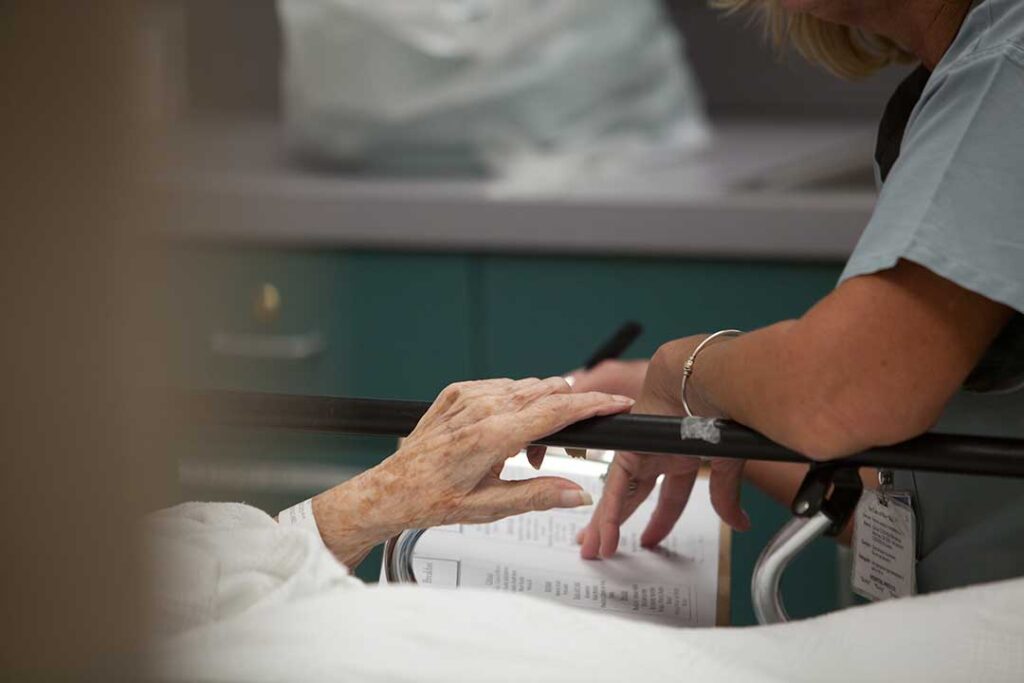
Assisted living communities prepare for emergencies through written procedures, trained staff, resident-specific information, and coordination with emergency responders. The response may involve treating a medical problem on site, calling 911, sheltering residents in place, evacuating, or arranging temporary relocation.
In State College, seasonal conditions can make winter storms, icy walkways, power outages, and transportation delays part of emergency planning. Residents and families should understand what assisted living can handle, what requires outside medical care, and how communication works during a crisis.
What counts as an emergency in assisted living?
An emergency is any event that threatens a resident’s health, safety, or ability to receive essential care. It may affect one person or the entire building.
Common examples include:
- Falls, suspected strokes, chest pain, breathing problems, or serious bleeding
- Sudden confusion, loss of consciousness, or a significant change in behavior
- Fire, smoke, gas leaks, flooding, or structural damage
- Severe winter weather, prolonged power loss, or unsafe travel conditions
- Infectious disease outbreaks
- Missing or wandering residents
- Medication errors or an urgent change in a resident’s condition
The response depends on the situation. Staff may provide immediate first aid within their training, contact emergency medical services, notify a nurse or medical provider when available, and inform the resident’s designated contact. Pennsylvania regulations require assisted living residences to maintain emergency procedures covering resident contacts, medical information, transportation, staff responsibilities, and alternate ways to meet residents’ needs during utility outages. ([pa.gov](https://www.pa.gov/content/dam/copapwp-pagov/en/dhs/documents/licensing/bhsl-licensing/documents/Assisted_Living_Residences-2800_Regulatory_Compliance_Guide_RCG.pdf?utm_source=openai))
How are medical emergencies handled?
For a serious medical problem, staff generally assess the resident, provide immediate assistance within their qualifications, and call 911 when emergency transport or hospital evaluation may be needed. A resident may be transferred even if family members have not yet arrived.
Pennsylvania guidance states that emergency medical information should be available and accompany the resident when emergency attention is required. That information can include the resident’s diagnoses, medications and dosages, allergies, physician information, insurance details, designated contact, and applicable advance directives or do-not-resuscitate instructions. ([pa.gov](https://www.pa.gov/content/dam/copapwp-pagov/en/dhs/documents/licensing/bhsl-licensing/documents/Personal_Care_Home-2600_Regulatory_Compliance_Guide_RCG.pdf?utm_source=openai))
Families can help by keeping the following information current:
- Medication lists, including recent changes
- Allergies and major medical conditions
- Primary care and specialist contact information
- Health care proxy or power-of-attorney information
- Advance directives and resuscitation preferences
- Names and phone numbers for primary and backup contacts
A common misconception is that assisted living replaces a hospital or emergency department. Pennsylvania classifies personal care homes and assisted living residences as residential settings rather than medical facilities, and they are not the same as nursing homes. Staffing and clinical services vary, so a residence may need to transfer a resident when needs exceed what it can safely provide. ([pa.gov](https://www.pa.gov/agencies/dhs/resources/aging-physical-disabilities/personal-care-homes/personal-care-home-faq?utm_source=openai))
What happens during a fire or evacuation?
Fire and evacuation procedures focus first on immediate safety, accountability, and assistance for residents who cannot move independently. Staff may direct residents to safe areas, use evacuation routes, bring essential medications and records when possible, and account for everyone at the designated location.
An evacuation may be limited to one part of a building or may require residents to leave the property. The decision can depend on smoke or fire location, structural conditions, utility failure, weather, and instructions from emergency officials.
Residents should know:
- Which staff members provide evacuation assistance
- Whether mobility devices remain accessible during an evacuation
- Where residents gather if they leave the building
- How family members will receive updates
- Whether residents may return immediately or must stay elsewhere
Assisted living residences are expected to have staff duties that reflect residents’ individual emergency needs, including evacuation, transportation, and care at an alternate location. ([pa.gov](https://www.pa.gov/content/dam/copapwp-pagov/en/dhs/documents/licensing/bhsl-licensing/documents/Assisted_Living_Residences-2800_Regulatory_Compliance_Guide_RCG.pdf?utm_source=openai))
How are power outages and winter storms managed?
A power outage may affect elevators, heating, lighting, medication refrigeration, communication systems, cooking equipment, and personal emergency response devices. Emergency plans should identify alternate ways to provide essential services when utilities are unavailable. ([pa.gov](https://www.pa.gov/content/dam/copapwp-pagov/en/dhs/documents/licensing/bhsl-licensing/documents/Assisted_Living_Residences-2800_Regulatory_Compliance_Guide_RCG.pdf?utm_source=openai))
During winter weather, staff may:
- Monitor indoor temperatures and resident comfort
- Limit unnecessary outdoor travel
- Check residents who need oxygen, refrigerated medications, or powered equipment
- Use backup lighting and communication methods
- Adjust meal service if kitchen equipment is affected
- Coordinate transportation only when travel is safe and necessary
- Request outside assistance if the outage lasts or conditions worsen
The local setting makes practical preparation especially relevant. Snow, ice, and freezing temperatures can affect sidewalks, vehicle access, deliveries, and emergency response times. Families should avoid arriving during dangerous conditions unless the residence or emergency officials say visitation is safe.
How are families notified?
Notification procedures vary by residence and by the seriousness of the event. A medical transfer may result in a direct phone call to the designated contact. A building-wide emergency may involve a group notification system, recorded message, email, or updates through an assigned staff member.

Families should ask for specific information rather than assuming that every relative will be contacted. Useful questions include:
- Who is listed as the primary designated contact?
- Who is the backup contact?
- How quickly are families notified after a hospital transfer?
- How are updates provided during a power or phone outage?
- How can family members confirm a resident’s location after evacuation?
- Who has authority to make urgent care decisions if family cannot be reached?
Keeping contact information current is one of the simplest ways to reduce confusion. A residence may have an accurate emergency plan but still face delays if phone numbers, addresses, or decision-maker information are outdated.
What should residents and families ask before an emergency occurs?
Emergency preparedness is easier to evaluate before a crisis. Residents and families can ask to review the residence’s general emergency procedures and request clear explanations about issues that affect the individual resident.
Questions worth asking include:
- How often are emergency procedures reviewed and practiced?
- What happens during a prolonged power outage?
- How are residents with dementia, limited mobility, or oxygen needs assisted?
- What is the plan for evacuation and transportation?
- Where could residents go temporarily if the building becomes unsafe?
- How are medications, records, mobility devices, and personal belongings handled?
- How are infectious disease concerns managed?
- What happens if family members cannot reach the building?
- Which emergencies require 911, and which are managed by staff and the resident’s medical team?
Pennsylvania’s Department of Human Services licenses and inspects assisted living residences and personal care homes. State requirements address areas such as fire safety, staff training, resident health care, and physical site conditions. ([pa.gov](https://www.pa.gov/agencies/dhs/resources/aging-physical-disabilities/personal-care-homes?utm_source=openai))
What can families do to support emergency readiness?
Families should maintain a simple emergency information packet and update it whenever the resident’s condition changes. The packet can include medication information, allergies, diagnoses, identification details, advance directives, contact numbers, and a recent photograph if wandering is a concern.
It also helps to agree in advance on:
- Who makes health care decisions
- Which hospital should be used when choices are available
- Whether the resident has a preferred pharmacy or medical provider
- How family members will divide communication responsibilities
- What personal items are essential during relocation
Emergency plans cannot remove every risk, but they can make the response more organized. The most useful plan is one that reflects the resident’s actual mobility, cognition, medical needs, communication preferences, and family contacts.
